By 183:906497055
•
August 8, 2025
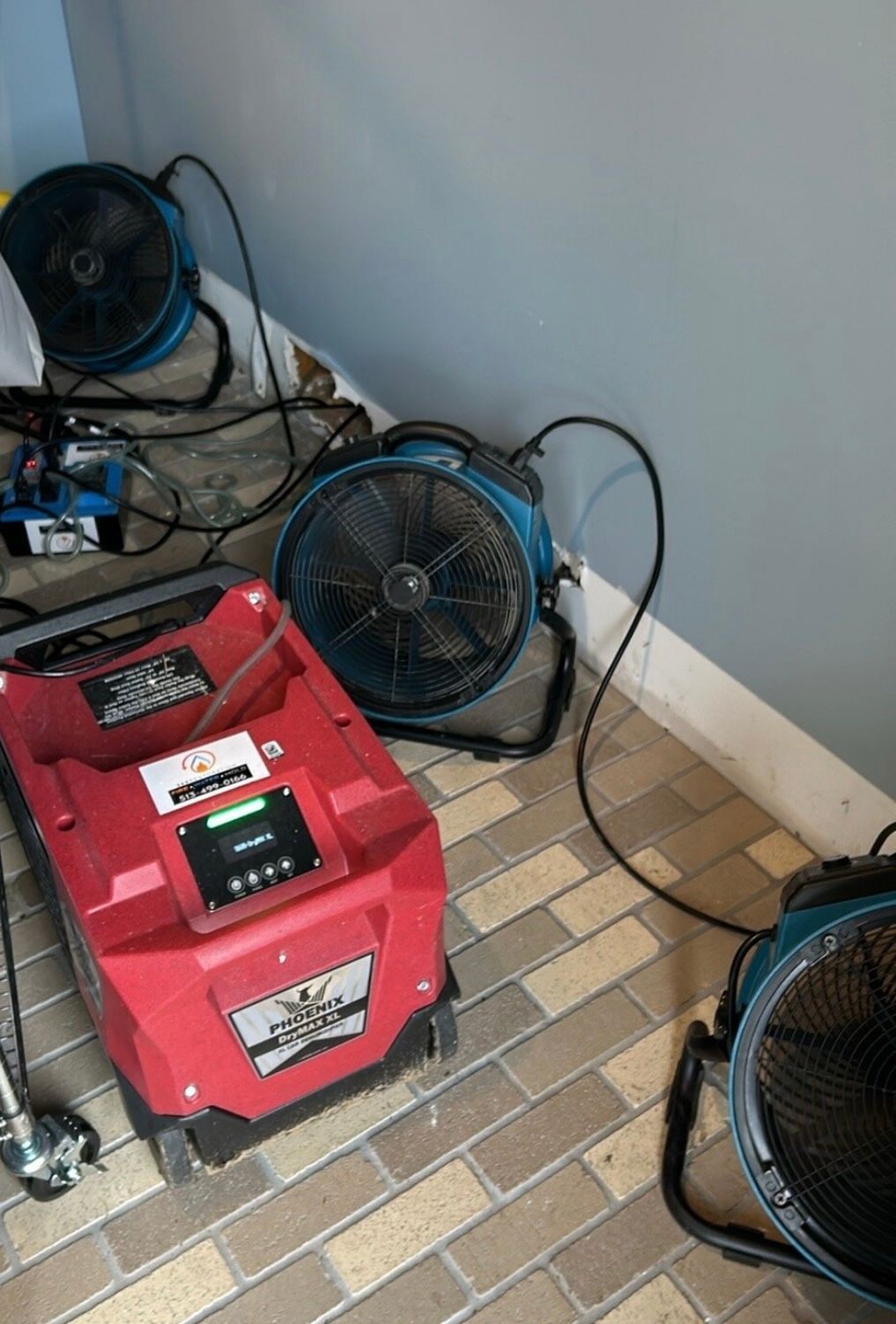
Four High-Tech Tools for Restoration Thermal Imaging to Find Moisture: The Secret Weapon You Didn’t Know You Needed Let’s be honest—moisture problems are sneaky. They hide in your walls, under your floors, and behind that bookshelf you haven’t moved in years. And by the time you do notice them, they’ve usually invited mold to the party. But there’s good news: thermal imaging is like night vision goggles for your house. It helps you spot hidden moisture before it turns into a big, musty mess. What Is Thermal Imaging, Anyway? Okay, don’t let the term “thermal imaging” scare you off—it’s basically a fancy camera that sees heat instead of light. When something is wet, it holds a different temperature than the dry area around it. Thermal imaging cameras pick up on that temperature difference and create a colorful image that shows where moisture is hiding. You don’t need to rip open your drywall or start guessing. Just point, scan, and let the magic happen. Imagine walking around your house with a heat-detecting gadget that can say, “Hey! There’s a damp patch right here!” That’s thermal imaging for you. It’s quick, non-invasive, and kind of fun—like a home improvement video game. How Does It Help After a Flood? Flood restoration isn’t just about pumping out water and drying what you can see. It’s about finding the moisture you can’t see—the stuff that gets trapped behind baseboards, under floorboards, and deep in insulation. That’s where thermal imaging becomes a total lifesaver. After a flood, things dry unevenly. Your living room carpet might feel dry on top, but underneath? It’s a soggy sponge just waiting to grow mold. With thermal imaging, flood restoration pros can pinpoint those hidden wet zones and take care of them properly before they turn into a science experiment. You might be thinking, “Why not just feel around or use a moisture meter?” Good question. Moisture meters are helpful, but they only test small areas at a time. Thermal imaging scans large areas in seconds—walls, ceilings, floors—you name it. It gives you the bigger picture (literally). Where It Finds Moisture You’d Never Suspect One of the coolest things about thermal imaging is its ability to spot problems in places you’d never check otherwise. Think: Inside your walls behind the shower where a slow leak has been dripping for weeks. Underneath your bathroom tile that’s trapping moisture like a mini steam room. In your ceiling, thanks to that sneaky roof leak you forgot to fix last winter. It’s kind of like having X-ray vision, except it doesn’t involve any superpowers. And trust us, if your home has ever gone through a flood, it’s worth using thermal imaging during the restoration process—even just for peace of mind. Sometimes, people go through all the effort of drying out their homes after a flood and still end up with mold. Why? Because they missed a few damp spots they couldn’t see or feel. That’s the kind of surprise nobody wants—especially not six months down the road when the drywall starts smelling funky. Do You Need Thermal Imaging for DIY Work? Short answer: it helps a lot. While professionals use high-grade infrared cameras that cost a pretty penny, there are also more affordable, user-friendly versions that attach to your smartphone. If you’re handling your own flood restoration or just want to double-check a suspicious area (hello, weird ceiling stain), thermal imaging can give you answers fast. No guessing. No stress. Just a quick scan to see if you’ve got a problem. Of course, if things look serious, call in the pros. Thermal imaging is a tool, not a fix. But it helps you figure out where to focus your energy, whether you’re drying things out with fans or planning your next big repair project. The Bottom Line? Don’t Play Hide and Seek with Moisture Flood damage can leave behind all kinds of hidden issues, but thermal imaging makes it so much easier to find and fix them. Whether you’re dealing with a full-blown flood restoration project or just being proactive after a heavy rain, this technology gives you the upper hand. You don’t have to tear up your floors or knock holes in your walls to know what’s going on. With thermal imaging, you get answers fast, and you stay one step ahead of mold, rot, and costly repairs. So next time something seems a little off at home, grab a thermal camera (or call someone who has one) and take a peek behind the scenes. Your future self—and your nose—will thank you. Air Scrubbers That Trap Microparticles: Your Home’s Invisible Superhero Ever walked into a room and thought, “Why does the air feel weird in here?” Sometimes it’s not just your imagination—it’s what you can’t see that matters. Dust, mold spores, smoke particles, and all kinds of tiny troublemakers are floating around in the air. That’s where air scrubbers come in. Think of them as air’s personal bouncers, kicking out all the bad stuff and letting you breathe easy. What Exactly Is an Air Scrubber? An air scrubber might sound like something you'd use to clean your floor, but this superhero works above ground. It’s a device that pulls in dirty air, filters out microscopic particles, and sends clean, fresh air back into your space. It doesn’t just mask odors or push air around—it actually cleans it. You’d be surprised how much junk is hanging out in the air after something like a flood or fire. Smoke particles, bacteria, and even mold spores become airborne and settle everywhere. Air scrubbers trap those invisible nasties, making your space safer, cleaner, and way less sneezy. Unlike your average fan or air purifier, air scrubbers are made for serious cleanup. They're commonly used during restoration projects, especially when dust, debris, and allergens are flying around. If you’ve just had restoration done, you really want one of these bad boys working behind the scenes. Why Microparticles Matter More Than You Think Microparticles might be tiny, but don’t let their size fool you—they can cause big problems. These are particles so small you can’t see them, but your body definitely notices them. We're talking about things like mold spores, pet dander, bacteria, VOCs (fancy name for toxic fumes), and even wildfire smoke. Without proper filtration, these particles float freely through your home, enter your lungs, and make themselves a little too comfortable. You might notice more coughing, sneezing, weird smells, or just that general “ugh” feeling you get in bad air. If your home has recently been through water damage or flood cleanup, chances are these microparticles are hanging around. Moisture creates the perfect breeding ground for mold and bacteria. Air scrubbers trap those particles, stop them from spreading, and give your lungs a much-needed break. Plus, if you have allergies, asthma, or anyone in your home with a sensitive immune system, an air scrubber isn’t a luxury—it’s practically a necessity. How Do They Actually Work? So what’s going on inside that mysterious-looking box with a hose? A lot more than you’d expect! Air scrubbers usually have a multi-stage filtration system, which includes a HEPA filter, carbon filter, and sometimes even UV lights. Each one plays its part like a dream team of air-cleaning superheroes. The HEPA filter catches tiny particles like mold, pollen, and dust. The carbon filter absorbs odors, chemicals, and smoke. UV light (in some models) helps zap germs and bacteria. All you have to do is plug it in, turn it on, and let it do its thing. It cycles the air through the filters over and over, reducing airborne contaminants every time. During a renovation, mold remediation, or flood restoration, these machines are often left running for hours—or even days—to ensure the space is truly safe to live in again. When Should You Use an Air Scrubber? You don’t need to wait for a disaster to use an air scrubber (though it’s a rockstar after one). Here are some perfect times to consider running one: After flood restoration or water damage to catch mold spores before they spread. During construction or remodeling to keep dust from taking over your entire house. After a fire or smoke event when the air is thick with invisible contaminants. If you live in a high-pollen or wildfire area and want relief during peak seasons. Whenever you just want cleaner, fresher air—especially if someone in the house has allergies or breathing issues. Think of it like hiring a bodyguard for your lungs. You’ll feel the difference, even if you can’t see what it’s cleaning. Breathing Cleaner Air Never Felt So Good It’s easy to forget about air quality because we can’t see it. But once you experience the difference an air scrubber makes, you’ll wonder how you ever lived without it. The air feels lighter, smells fresher, and you’re less likely to wake up stuffy or congested. Whether you’re bouncing back from a flood, starting a big home project, or just want to breathe a little easier, air scrubbers are an underrated game changer. They may not make your walls sparkle or your floors shine, but they do clean something just as important—your air. So go ahead, give your lungs a break and let the air scrubber do the dirty work. You relax, it scrubs, and your home stays fresher than a mountain breeze in springtime. Dehumidifiers Explained: Your Restoration MVP You Never Knew You Needed Let’s face it—moisture is the enemy when it comes to homes, especially after a flood or serious water damage. You can mop, dry, and air things out all day, but if humidity sticks around, you’re asking for mold, mildew, and a whole lot of musty regret. Enter the commercial dehumidifier, your heavy-duty sidekick during any restoration project. If you’ve never used one before, you’re in for a (very dry) treat. What Is a Dehumidifier, Anyway? You might be familiar with the cute little dehumidifier humming away in someone’s damp basement. A commercial dehumidifier is that—but bigger, stronger, and tougher. It’s built for serious moisture removal in high-humidity environments, like after a flood or major leak. These machines suck in moist air, pull out the water like magic (science, actually), and blow dry air back into the space. The water gets collected in a tank or pumped out through a hose—no buckets required! It’s not glamorous, but it’s incredibly effective. You don’t have to understand how refrigerant coils or condensers work to appreciate one. You’ll just notice that the air feels dryer, cleaner, and less like you’re living inside a damp sponge. When Do You Need One (Hint: Probably Sooner Than You Think) If your home has ever experienced water damage, a burst pipe, or a flood—congratulations, you qualify for a commercial dehumidifier! Seriously though, time is everything after a water event. The longer moisture hangs around, the more damage it causes. Here’s why these machines matter so much: Mold can start growing in as little as 24 to 48 hours. Wood warps, drywall swells, and insulation becomes soggy soup. Humidity seeps into every crack and corner you forgot to check. Commercial dehumidifiers are designed to pull gallons of water from the air every day—way more than regular household units. Some can remove 100+ pints in a single 24-hour period. That’s like taking multiple water bottles out of your walls every day. If you’re working with a restoration company, they’ve probably got a few of these running on-site. If you’re DIY-ing it, renting one is a smart move. They’re plug-and-play and super portable. Cleaner, Healthier, and WAY Less Gross You might not think much about humidity, but high levels create the perfect hangout for things you don’t want living in your home. We’re talking about mold spores, bacteria, dust mites, and general mustiness. A commercial dehumidifier helps lower the humidity to safe levels—ideally below 50%—which is where all those nasty things stop thriving. You’ll notice your home smells fresher, your air feels crisper, and things just... feel normal again. During a restoration project, these machines are often left running for several days to make sure the space is completely dry. Even if everything looks fine to the eye, moisture can hide in baseboards, subfloors, and wall cavities. A dehumidifier doesn’t care—it just pulls moisture from wherever it’s hiding. Bonus: Dry air also helps your HVAC system work more efficiently, reduces allergy triggers, and saves you from having to repaint bubbling walls or replace squishy carpets. What Should You Look for in a Commercial Dehumidifier? If you’re thinking about getting—or renting—one, here are a few things to keep in mind: Water removal rate: How many pints or gallons can it remove per day? More is better after serious water damage. Coverage area: Some are made for small rooms, others for entire homes. Make sure it matches your space size. Pump or tank: Continuous drain pumps are super convenient. No one wants to empty buckets every few hours. Portability: Wheels and handles make life easier, especially if you're moving between rooms or floors. Noise level: Most are louder than a typical fan. Dry Air, Big Difference You don’t need to be an expert to use a commercial dehumidifier, but once you see what it can do, you’ll wonder why you didn’t get one sooner. They’re a must-have during flood restoration, after leaks, or anytime you’re dealing with a humidity nightmare. They don’t just suck water out of the air—they save walls, protect floors, and help you keep your home from turning into a moldy mess. So the next time disaster strikes, don’t panic—just plug in a dehumidifier, and let it do the heavy drying. Ozone Machines: Myth vs. Magic – What Do They Really Do? You’ve probably heard someone mention an ozone machine and thought, “Is that science fiction or something from a superhero movie?” Don’t worry, you’re not alone. Ozone machines sound maybe a little too good to be true. But in the restoration world, they’re often treated like the secret weapon for battling stubborn odors and invisible nasties. So, is it myth, magic—or just smart science? Let’s break it down, one ozone puff at a time. What Exactly Is an Ozone Machine? Imagine a little box that creates a special kind of oxygen molecule, called ozone (O₃), and spreads it through a room. This isn’t the kind of air you want to breathe—but it is the kind that can tackle deep odors, smoke damage, and even mold-related smells. Ozone machines work by producing ozone gas, which reacts with particles in the air—especially the smelly or harmful ones. It changes their chemical structure, neutralizing bad odors rather than just covering them up with a lemon-scented spray. You turn it on, leave the room (seriously, you can't be in the room), and let the machine flood the space with ozone for several hours. When you come back—after airing the room out—it’s like a fresh start. That weird smell from the fridge disaster of 2018? Gone. The musty funk from flood damage? Bye-bye. Odor-Busting Power or Just a Fancy Fan? Let’s be honest—most air fresheners are just perfume pretending to fix the problem. Ozone machines go deeper. They're like the cleaning crew that shows up after everyone else has already given up. If your home has gone through fire damage, a serious flood, or you’ve just moved into a house with “history,” an ozone machine might be exactly what you need. They’re especially good at tackling: Smoke odors from fire or cigarettes Mildew and mold-related smells (not the mold itself) Pet odors that have settled into carpets and furniture Cooking smells that overstayed their welcome But here’s the key: ozone removes odors, not the source. So if there’s still a moldy carpet or scorched wallboard hiding behind that clean scent, you’ll need to handle that too. Ozone machines are the cherry on top—not the whole cake. The Catch: You Can’t Be in the Room Now here comes the part that makes ozone a little less magical and a little more scientific: you can’t be in the room when it’s on. Ozone is powerful stuff—and while it’s great at breaking down odors, it’s not meant to be inhaled. Running an ozone machine safely means clearing the space of people, pets, and plants. Once the cycle is done, you need to ventilate the area thoroughly before going back in. It’s not dangerous if used properly, but you do have to follow instructions. (Don’t worry—no lab coat required) So yes, it can seem a bit spooky, but it’s just a controlled tool doing its job while you’re safely away. And when you return? The air smells like a storm just passed through—fresh, crisp, and oddly satisfying. Is Ozone a Magic Fix for Restoration? Not exactly magic—but pretty darn close when used the right way. After a major restoration job like flood or fire cleanup, there’s often lingering odors that no scrub brush can touch. That’s when ozone becomes your best friend. Let’s say your home went through flood restoration, and everything looks dry, but the air still smells... off. A commercial ozone treatment can neutralize lingering smells in drywall, insulation, furniture, and flooring. It gets into all the places that Febreze never could. But remember: ozone doesn’t clean, disinfect, or physically remove anything. It doesn’t kill mold deep inside walls or remove soot from vents. It just clears the air—literally. And sometimes, that’s exactly what you need to feel like your space is finally clean again. Myth or Magic? Final Verdict Ozone machines aren’t magical devices from a sci-fi movie—but they are powerful, proven tools in the world of home restoration. If you're dealing with persistent odors after a flood, fire, or just years of mystery smells, ozone might be the reset button your space needs. Use them wisely, follow the safety steps, and you’ll be rewarded with air that doesn’t make you flinch. Just don’t expect them to do the job of mold removal, deep cleaning, or structural repairs. They’re great at one thing—making the air smell like nothing ever happened. The Future of Restoration Is Already Here Restoration used to mean hammers and lots of guesswork. But now? It feels like stepping into a sci-fi movie—with gadgets that see through walls, scrub the air clean, pull moisture from thin air, and zap odors without lifting a finger. Pretty cool, right? Thermal imaging lets you spot hidden moisture without tearing down a single wall. It’s like X-ray vision for water damage, saving you from costly surprises later. Then come the air scrubbers, quietly capturing particles so small you can’t even see them—but your lungs definitely notice the difference. These machines make your home feel cleaner in a way that a vacuum never could. Desiccant dehumidifiers take moisture control to the next level. Unlike regular dehumidifiers, they work in colder, drier conditions and never get tired. Whether you're dealing with a serious flood restoration job or just a slow, sneaky leak, these are the machines you want on your team. And of course, there’s the mysterious ozone machine—the odor assassin. It might sound like something from a sci-fi lab, but it’s a powerful tool for clearing the air (literally) after fires, floods, or even funky pet smells. Just remember: no people or pets in the home while it’s running! Together, these tools aren’t just impressive—they’re incredibly practical. They help pros and homeowners restore spaces faster, safer, and with less damage. So the next time disaster strikes, or your home just feels off, remember that you’ve got some backup ready to go. Restoration has come a long way from mops and moldy carpet. These tools may not wear capes, but they definitely save the day. And if they make you feel a little like a home-cleaning superhero? Well, that’s just a bonus.